A CT brain scan is a special X-ray test that helps doctors see inside your head. This scan is quick, painless, and very useful. Many people need a CT brain scan to check for problems like headaches, injuries, or sudden changes in thinking. In this blog, you will learn what a CT brain scan is, why it is done, how the procedure works, and how safe it is. You will also find answers to common questions and tips on when to see a doctor.
What is a CT Brain Scan?
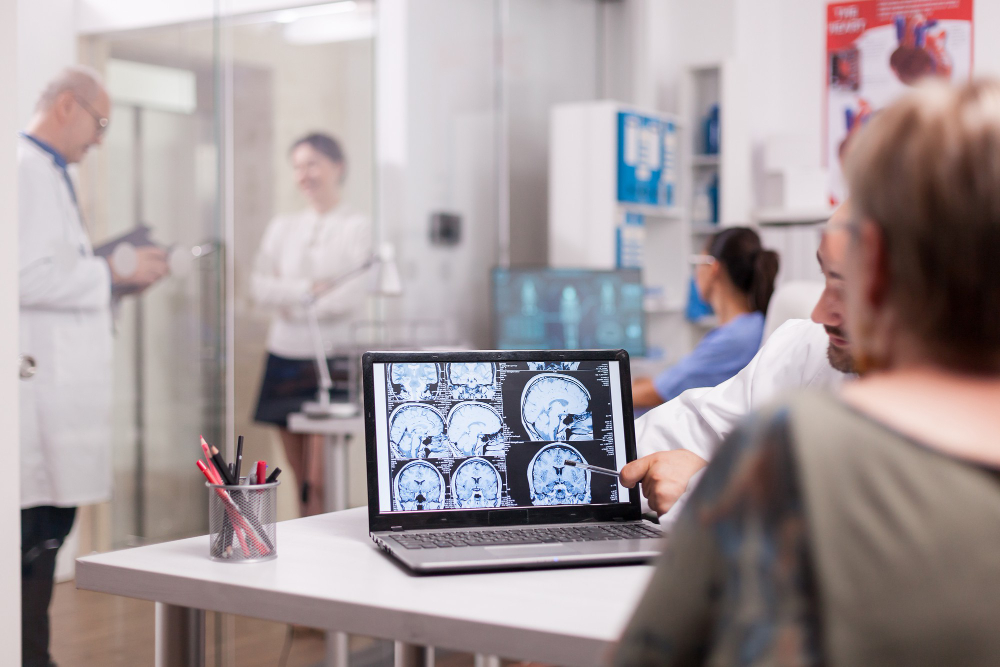
A CT brain scan is a medical test that uses X-rays and a computer to create detailed pictures of your brain. CT stands for “computed tomography.” Unlike a regular X-ray, a CT brain scan shows more detail. For example, it can show bleeding, swelling, or tumors inside the brain. Doctors use this scan to help diagnose many brain problems quickly and accurately.
Why is a CT Brain Scan Done?
Doctors order a CT brain scan for many reasons. Sometimes, you may have symptoms that need quick answers. Other times, your doctor may want to check for certain conditions. Common reasons include:
In many cases, a CT brain scan helps doctors decide the best treatment quickly.
How is a CT Brain Scan Performed?
Before the scan, you may need to follow some simple steps. This is called CT brain scan preparation. For most people, no special steps are needed. However, your doctor may ask you to avoid eating or drinking for a few hours if a contrast dye will be used.
During the CT brain scan procedure, you will lie on a table. The table slides into a large, doughnut-shaped machine. The scan itself usually takes less than 15 minutes. You must stay very still, but you can breathe normally. Sometimes, a nurse may inject a contrast dye into your arm. This dye helps certain parts of your brain show up better on the scan. The process is painless, although you may hear some whirring sounds from the machine.
After the scan, you can usually go home right away. If you received contrast dye, drink plenty of water to help flush it out of your body.
Benefits of a CT Brain Scan
Because of these benefits, CT brain scans are often the first choice for urgent brain problems.
Risks and Safety of CT Brain Scans
CT brain scans use a small amount of radiation. For most people, the risk is very low. However, doctors only order this test when it is truly needed. This helps keep you safe. If you are pregnant, tell your doctor before the scan. In rare cases, the contrast dye may cause an allergic reaction. But medical staff are ready to help if this happens. According to the CDC and WHO, the benefits of a CT brain scan usually outweigh the risks, especially in emergencies.
Frequently Asked Questions about CT Brain Scans
Is a CT brain scan painful?
No, the scan itself does not hurt. You may feel a small pinch if you get a dye injection.
Do I need to prepare for a CT brain scan?
Usually, no special preparation is needed. However, if you need contrast dye, your doctor may give you instructions.
How long does a CT brain scan take?
The scan usually takes less than 15 minutes. You may spend a little more time at the hospital for preparation and aftercare.
Is a CT brain scan safe for children?
Yes, but doctors use the lowest possible radiation dose. They only order the scan if it is necessary.
Can I eat or drink before the scan?
In most cases, yes. However, follow your doctor’s advice if you need contrast dye.
When to Consult a Doctor
If you have sudden headaches, confusion, weakness, or trouble speaking, seek medical help right away. Also, if your doctor suggests a CT brain scan, ask any questions you have. It is important to understand why the test is needed and how it can help you.
Conclusion & Call-to-Action
In summary, a CT brain scan is a safe and useful tool for finding brain problems quickly. It helps doctors make fast decisions, especially in emergencies. If you have symptoms or concerns, talk to your doctor or a radiologist. They can guide you and answer your questions about CT brain scans. Always seek professional advice for your health needs.
Consult a healthcare professional at Reddys Medicare Laboratories India Pvt Ltd for personalized advice on CT brain scans.