What is CT Angiography?
CT Angiography is a special type of medical test. It uses a CT scan to take detailed pictures of blood vessels in your body. Doctors use this test to see if your blood vessels are healthy or blocked. Unlike some older tests, CT angiography is non-invasive. This means it does not require surgery or putting tools inside your blood vessels. Many people call it a CT angiogram or a computed tomography angiography.
Why is CT Angiography Performed?
Doctors order CT angiography for many reasons. For example, it helps find blockages, narrow spots, or bulges in blood vessels. Sometimes, it checks for blood clots or other problems. In addition, it can help plan surgeries or other treatments. If you have chest pain, leg pain, or signs of a stroke, your doctor may suggest this test. CT angiography in your city can also help find problems early, so treatment can start sooner.
How Does CT Angiography Work?
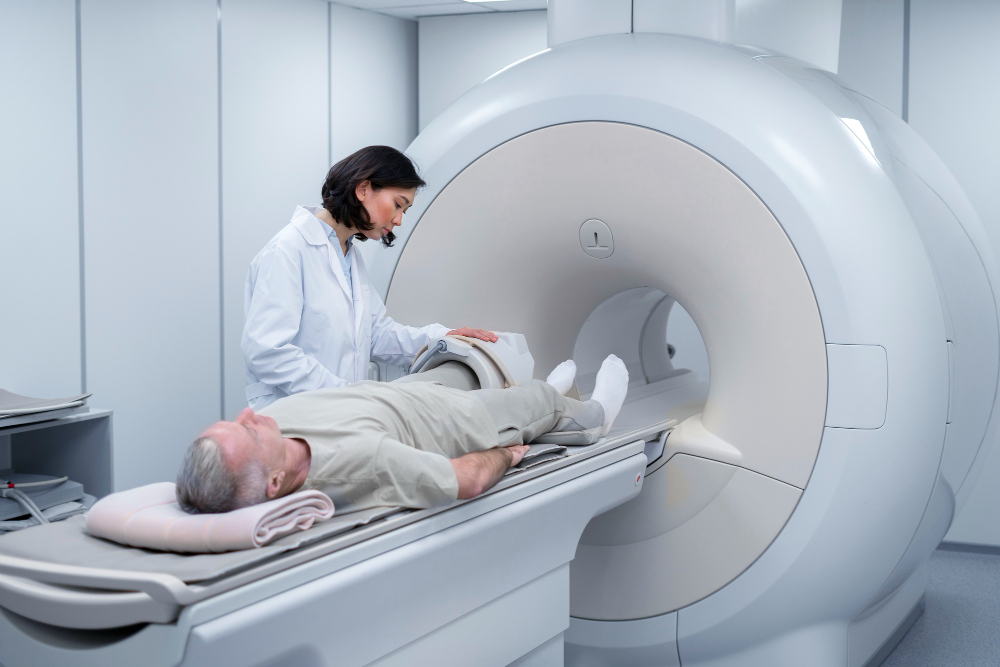
First, a special dye called contrast is injected into your vein. This dye makes your blood vessels show up clearly on the CT scan. Next, you lie on a table that slides into the CT scanner. The scanner takes many pictures in a few seconds. These images are then combined by a computer to create detailed views of your blood vessels. Because of this, doctors can spot even small problems quickly and safely.
Preparing for a CT Angiography
Proper preparation helps the test go smoothly. Your doctor will give you clear instructions. Usually, you should:
Sometimes, you may need to stop certain medicines before the test. Always follow your doctor’s advice for CT angiography preparation.
What to Expect During the Procedure
On the day of your CT angiogram procedure, you will change into a hospital gown. After that, a nurse will place an IV in your arm for the contrast dye. When the dye goes in, you might feel warm or notice a metallic taste. This feeling usually passes quickly. Then, you will lie still on the CT table. The table moves through the scanner as pictures are taken. The test usually takes 10 to 30 minutes. Most people feel no pain, but you may hear some noises from the machine. After the scan, you can often go home the same day.
Risks and Safety of CT Angiography
CT angiography is safe for most people. However, like any test, it has some risks. It is important to know these before your scan. Possible risks include:
Most side effects are mild and go away quickly. Still, let your doctor know if you have allergies or kidney issues. The benefits of finding blood vessel problems often outweigh the risks of CT angiography.
Understanding Your Results
After your CT angiography, a radiologist will review your images. This doctor looks for any blockages, narrow spots, or other issues. Then, your doctor will explain the results to you. Sometimes, you may need more tests or treatment based on what is found. If you have questions, ask your doctor to explain the results in simple terms. Clear results help guide your next steps for care.
Frequently Asked Questions
Tips for a Smooth Experience
With these tips, your CT angiography can be quick and easy.
In summary, CT angiography is a safe, non-invasive way to check your blood vessels. It helps doctors find problems early and plan the best treatment. If you need more information, consult a radiology specialist at Reddys Medicare Laboratories India Pvt Ltd to learn if CT angiography is right for you.