
Introduction to Fever Panel
When you have a high temperature, your doctor may suggest a fever panel. This group of blood tests helps find the cause of your fever. Often, these tests look for infections that are common in your area. Because fever can have many causes, a fever panel helps your doctor choose the right treatment. According to the World Health Organization (WHO), quick diagnosis is important for proper care.
What Is a Fever Panel?
A fever panel is a set of blood tests. These tests check for different infections that can cause fever. For example, the panel may look for malaria, dengue, typhoid, or other common diseases. Since these illnesses often have similar symptoms, the fever panel helps find the exact cause.
Why and When Is a Fever Panel Recommended?
Doctors recommend a fever panel when you have a fever that lasts more than a few days. Sometimes, if you live in or have traveled to an area with certain infections, your doctor may suggest it sooner. In addition, if you have other symptoms like chills, body aches, or rashes, a fever panel can help. Early testing helps guide the right treatment and prevents complications.
Common Symptoms That Lead to a Fever Panel
Doctors may order a fever panel if you have:
However, not all fevers need this test. Your doctor will decide based on your symptoms and risk factors.
What Tests Are Included in a Fever Panel?
A typical fever panel may include:
Sometimes, extra tests are added based on your doctor’s advice. For example, if you have traveled recently, tests for other infections may be included.
How Is the Fever Panel Performed?
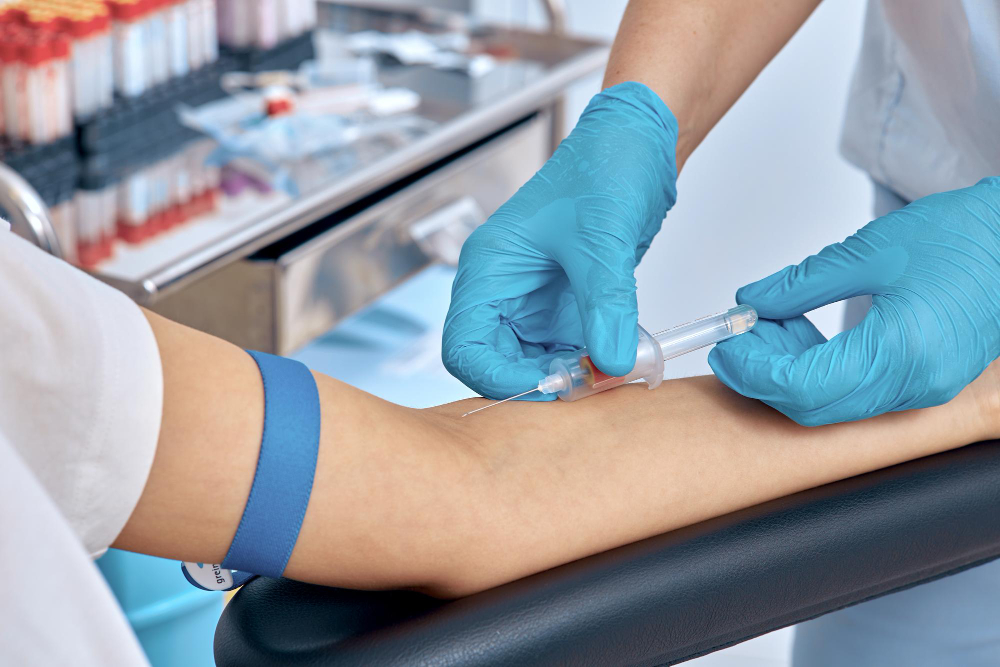
First, a healthcare worker will collect a small blood sample from your arm. Sometimes, a urine sample is also needed. The process is quick and usually safe. After collection, the samples are sent to a lab for testing. Most results are ready within a day or two. While you wait, your doctor may suggest rest and fluids.
How Are Fever Panel Results Interpreted?
Once your results are ready, your doctor will review them. If a specific infection is found, you will get targeted treatment. Sometimes, all tests may be negative. In that case, your doctor may order more tests or watch your symptoms. Because some infections take time to show up in blood, repeat testing may be needed.
Possible Treatments or Next Steps
After your doctor reviews your fever panel results, you may need:
Always follow your doctor’s advice. Do not start or stop medicines without guidance.
Lifestyle and Prevention Tips
While you recover, you can take steps to feel better and prevent future infections:
In addition, avoid close contact with sick people when possible.
Conclusion
In summary, a fever panel is a helpful tool to find the cause of long-lasting or unexplained fever. It guides your doctor in choosing the right treatment. If you have a fever that does not go away, or if you feel very unwell, consult a healthcare professional at Reddys Medicare Laboratories India Pvt Ltd. They can advise you on the best tests and care for your needs.