Introduction: What Is a Health Check Up for Elderly?
A health check-up for elderly means a set of medical tests and exams for people aged 60 and above. These check-ups help find health problems early. As we age, our bodies change. Because of this, regular check-ups become even more important. Early detection can lead to better treatment and a healthier life. According to the World Health Organization (WHO), regular health screening helps seniors live longer and feel better.
Common Symptoms and Warning Signs in Seniors
Many health issues in seniors start with mild symptoms. However, these signs can be easy to miss. It is important to watch for changes. For example, look out for:
If you notice any of these symptoms, consult a doctor soon. Early action can prevent serious problems.
Key Diagnostic Tests for Elderly Health
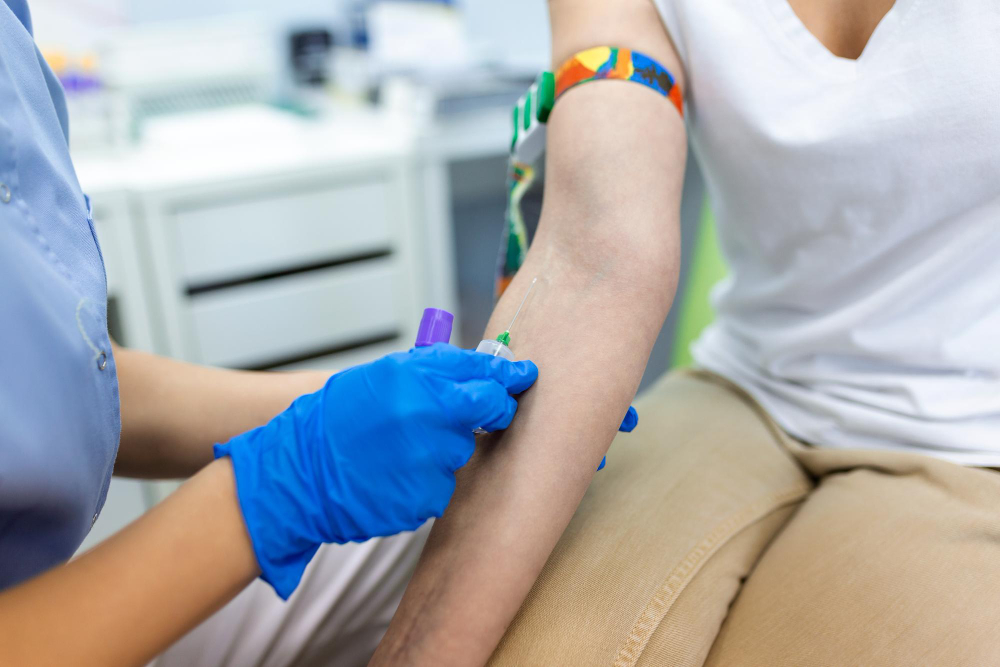
Senior health screening tests are vital for early detection. Pathology labs offer many tests that help spot health issues. Some of the most important tests include:
Doctors may suggest other tests based on your health history. Always follow your doctor’s advice for the right tests.
Causes and Risk Factors in Elderly Health
As people age, their bodies go through many changes. For instance, organs may not work as well as before. Bones become weaker, and the immune system slows down. Because of these changes, seniors face higher risks for certain diseases. Common risk factors include:
Knowing these risks helps seniors and caregivers take better care of health.
Preventive Care and Lifestyle Guidance for Seniors
Preventive care for seniors is key to staying healthy. Simple habits can make a big difference. For example, try these tips:
Additionally, staying socially active and keeping the mind engaged can boost mental health. The Centers for Disease Control and Prevention (CDC) recommends these steps for better senior health.
How Often Should Seniors Get a Health Check Up?
How often should you get a health check-up for elderly? Most experts suggest at least once a year. However, some seniors may need more frequent visits. For example, those with chronic diseases like diabetes or heart problems should see their doctor every 3 to 6 months. Always follow your doctor’s advice for the best schedule.
Choosing the Right Pathology Lab for Senior Health Screening
Picking the right diagnostic center is important for accurate results. When choosing a pathology lab, consider these points:
In many cities, you can find labs that specialize in senior health screening tests. Choosing a trusted lab ensures you get the best care.
Conclusion: Take Charge of Elderly Health
Regular health check-ups for the elderly are vital for early detection and a better quality of life. With the right tests and preventive care, seniors can stay healthy and active. Consult a healthcare specialist at Reddys Medicare Laboratories India Pvt Ltd for personalized elderly health check-up advice.