
When it comes to men’s health, regular checkups are key. The PSA test is one important tool for senior men. This simple blood test can help spot prostate problems early. Early detection of prostate cancer can save lives. In this blog, we will explain why the PSA test matters, how it works, and what steps seniors can take for better prostate health.
What is the PSA Test?
The PSA test measures the level of prostate-specific antigen (PSA) in your blood. PSA is a protein made by the prostate gland. Normally, only small amounts are found in the blood. However, higher levels can signal prostate issues. These may include an enlarged prostate, infection, or even prostate cancer. The PSA test is often part of a prostate health checklist for men over 50.
Why is the PSA Test Important for Senior Men?
As men age, the risk of prostate problems increases. For seniors, PSA screening can help catch issues early. Early detection of prostate cancer gives more treatment options. It can also improve survival rates. According to the CDC, prostate cancer is one of the most common cancers in men. But, with regular PSA tests, many cases are found before symptoms appear. This is why the PSA test is a life-saver for seniors.
Symptoms and Risks of Prostate Issues in Seniors
Often, prostate problems do not cause symptoms right away. Still, it is important to know what to watch for. If you notice any of these signs, talk to your doctor:
Some men have a higher risk of prostate cancer. For example, risk increases with age, family history, and certain ethnic backgrounds. Therefore, regular PSA screening for seniors is even more important.
How the PSA Test Works: Diagnosis and Process
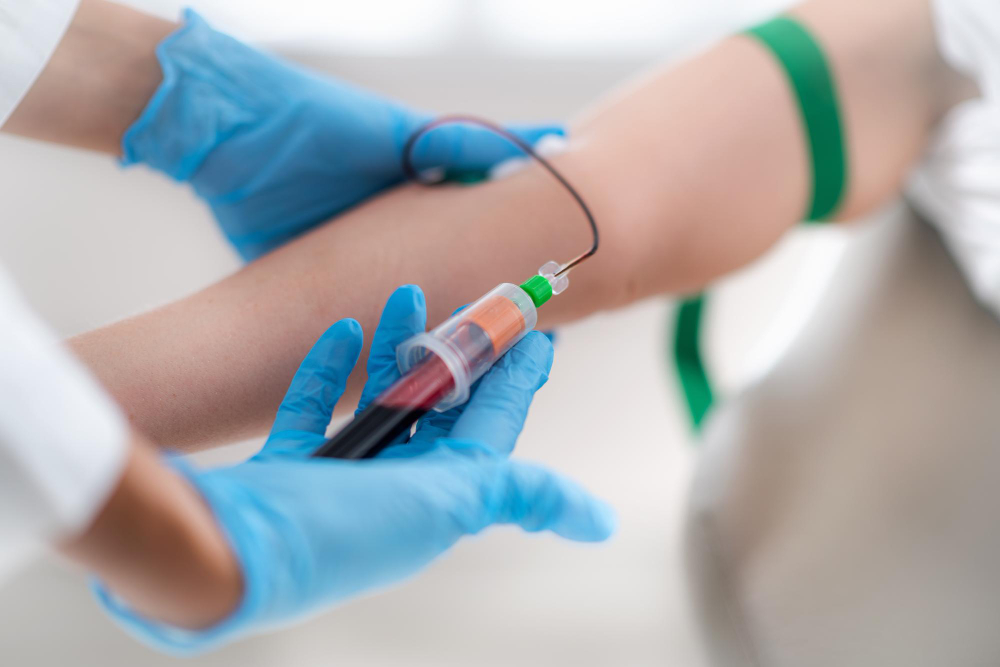
The PSA test is quick and simple. First, a healthcare provider draws a small blood sample. Next, the sample is sent to a lab. Results usually come back within a few days. If your PSA level is high, your doctor may suggest more tests. These could include a digital rectal exam or a prostate biopsy. However, a high PSA does not always mean cancer. Other conditions can also raise PSA levels.
In some areas, access to PSA testing may vary. Check with local clinics or health centers for options near you.
Treatment Options After PSA Testing
If your PSA test shows a high level, do not panic. Many men with high PSA do not have cancer. Your doctor will guide you through next steps. Treatment depends on the cause of the high PSA. For example, if cancer is found early, treatment may include:
For non-cancer issues, treatment may involve medicine or lifestyle changes. Your doctor will help you choose the best plan.
Lifestyle Tips and Prevention for Prostate Health
Good habits can support prostate health and lower risks. Here are some tips for seniors:
These steps can help keep your prostate healthy. They also support your overall well-being.
Frequently Asked Questions about the PSA Test
Consult Reddys Medicare Laboratories India Pvt Ltd for personalized advice on PSA testing and men’s health.