What Is a CT Chest?
A CT chest is a special scan that takes detailed pictures of your chest. CT stands for computed tomography. This scan uses X-rays and a computer to create clear images of your lungs, heart, and other chest parts. Doctors use a CT chest to help find or check for health problems in your chest area. Often, it gives more detail than a regular X-ray.
Why Is a CT Chest Performed?
Doctors may suggest a CT chest for many reasons. For example, it helps them look for infections, injuries, or growths. Sometimes, it is used to check for lung diseases or to see how well treatment is working. Here are some common reasons for a CT chest scan:
How to Prepare for a CT Chest Scan
Preparing for a CT chest scan is simple. Still, following your doctor’s advice is important. Here are some steps you may need to take:
Sometimes, you may need a special dye called contrast. This helps certain areas show up better on the scan. If so, your doctor will explain what to do.
What Happens During the Procedure?
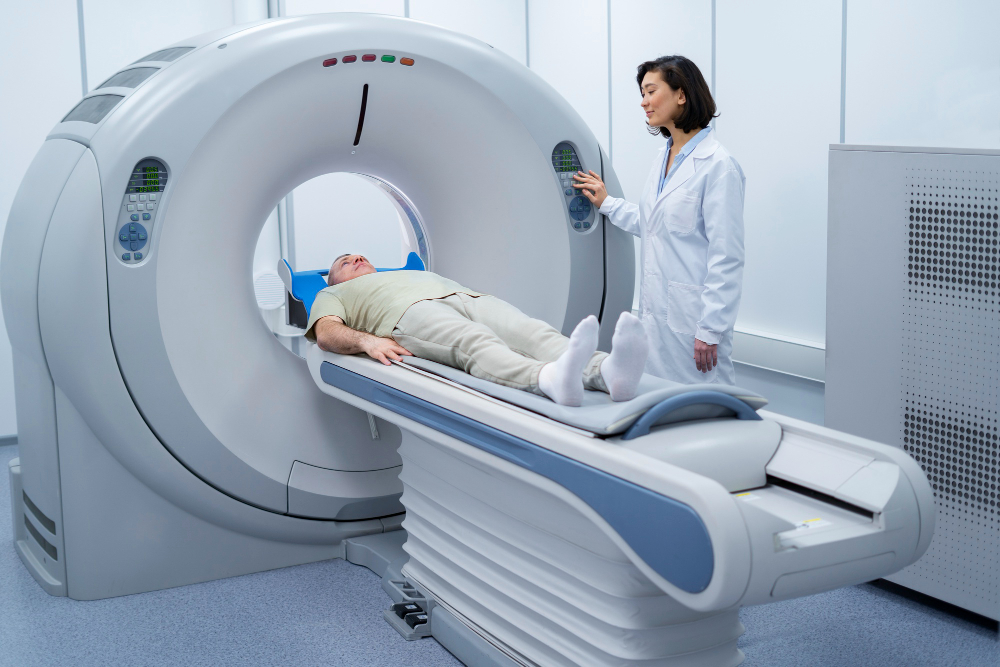
During a CT chest scan, you will lie on a table. The table moves slowly through a large, donut-shaped machine. The scan itself is quick and painless. Usually, it takes about 10 to 20 minutes. You may hear buzzing or clicking sounds, but these are normal. If you need contrast dye, it may be given through a small needle in your arm. The staff will guide you and answer any questions.
Benefits of a CT Chest
A CT chest scan has many benefits. For instance, it helps doctors see problems that may not show up on a regular X-ray. Here are some key benefits:
Because of these benefits, CT chest scans are a common and helpful tool in medicine.
Risks and Safety Considerations
CT chest scans are generally safe. However, like all medical tests, there are some risks. The scan uses a small amount of radiation. For most people, this amount is low and not likely to cause harm. Still, doctors only order a CT chest when it is needed. Here are some safety tips and points to consider:
According to the CDC and WHO, the benefits of a needed CT chest scan usually outweigh the risks.
After the Scan: What to Expect
After your CT chest scan, you can usually return to normal activities right away. If you received contrast dye, drinking water helps flush it from your body. Your doctor will review the images and talk to you about the results. Sometimes, you may need more tests, but often, the CT chest gives enough information.
Frequently Asked Questions
If you have more questions about a CT chest scan, talk to your healthcare provider. They can give advice based on your health needs.
Call to Action: If your doctor suggests a CT chest scan, ask any questions you have. Always consult your healthcare provider at Reddy’s Medicare Laboratories India Pvt Ltd for advice that fits your personal health.