
What is the Tuberculin Test?
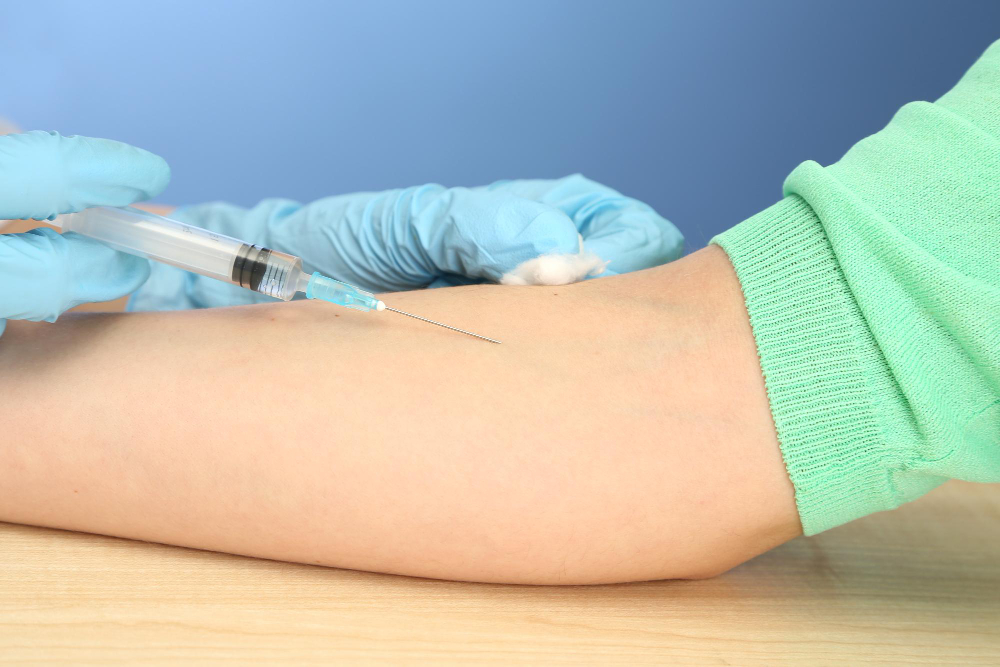
The Tuberculin Test is a simple way to check if someone has been exposed to tuberculosis (TB). Doctors often call it the Mantoux test or tuberculin skin test. In this test, a small amount of fluid called PPD is injected just under the skin. After a few days, a healthcare provider checks the area for a reaction. Because TB can be serious, this test helps find it early.
Why is the Tuberculin Test Done?
Doctors use the Tuberculin Test for several reasons. First, it helps find out if a person has been infected with TB bacteria. Sometimes, people may not feel sick but still carry the bacteria. In addition, the test is important for people who have spent time with someone who has TB. It is also used before starting certain medicines that weaken the immune system. In many places, the test is required for school, work, or travel.
How is the Tuberculin Test Performed?
The tuberculin skin test procedure is quick and safe. Here is what usually happens:
Because the test needs a follow-up visit, it is important to keep your appointment.
What Do the Results Mean?
After the test, the nurse measures the bump on your arm. The size of the bump helps decide if the test is positive or negative. A positive result means you may have been exposed to TB bacteria. However, it does not always mean you have active TB disease. Sometimes, a positive result can happen if you had the TB vaccine (BCG) or another infection. On the other hand, a negative result usually means you have not been exposed. But, in some cases, the test may not detect early or hidden infections. For this reason, your doctor may order more tests, like a chest X-ray or blood test, to be sure.
Possible Risks and Side Effects
Most people have no problems with the Tuberculin Test. Still, some may notice mild side effects. For example, you might see redness, swelling, or itching at the injection site. Rarely, a person may have a strong reaction or an allergic response. If you notice severe pain, blistering, or fever, contact your doctor right away. Overall, the test is considered very safe.
Tips for Preparing for the Test
Because the test is simple, you do not need to fast or stop medicines unless your doctor says so.
Frequently Asked Questions
Is the Tuberculin Test painful?
Usually, the test feels like a small pinch. Most people find it easy to handle.
Can I shower after the test?
Yes, you can shower. However, avoid rubbing or scratching the test area.
What if I miss my follow-up visit?
If you miss your appointment, the test results may not be accurate. Therefore, you may need to repeat the test.
Can the test give a false result?
Sometimes, the test can be false-positive or false-negative. For this reason, doctors may use other tests to confirm TB.
Is the Tuberculin Test safe for children?
Yes, the test is safe for children and adults.
In summary, the Tuberculin Test is a safe and helpful way to check for TB exposure. It is quick, simple, and important for protecting your health. Consult Dr. Nisha Bharti for personalized advice about the Tuberculin Test.